High blood pressure, also known as hypertension, is one of the most common health conditions affecting millions of people worldwide. Often referred to as the “silent killer,” high blood pressure can develop gradually over many years without causing noticeable symptoms. Despite its lack of obvious warning signs, uncontrolled hypertension can significantly increase the risk of serious health complications, including heart disease, stroke, kidney disease, and vision problems.
Understanding the causes, symptoms, risk factors, and prevention strategies associated with high blood pressure is essential for maintaining long-term health and reducing the likelihood of life-threatening complications.
What Is High Blood Pressure?
Blood pressure is the force exerted by circulating blood against the walls of the arteries. It is measured using two numbers:
- Systolic pressure: The top number, which measures pressure when the heart beats.
- Diastolic pressure: The bottom number, which measures pressure when the heart rests between beats.
A normal blood pressure reading is generally considered to be around 120/80 mmHg. Blood pressure that remains consistently elevated above recommended levels may be classified as hypertension.
When blood pressure stays high over time, it forces the heart to work harder and can damage blood vessels throughout the body.
Why High Blood Pressure Is Dangerous
Many people underestimate the seriousness of hypertension because it often develops without noticeable symptoms. However, untreated high blood pressure can quietly damage vital organs over time.
Potential complications include:
- Heart attack
- Stroke
- Heart failure
- Kidney disease
- Vision loss
- Peripheral artery disease
- Cognitive decline and dementia
Because the damage can occur silently, regular blood pressure monitoring is one of the most important aspects of preventive healthcare.
Common Causes of High Blood Pressure
There is no single cause of hypertension. Instead, it often results from a combination of lifestyle, genetic, and environmental factors.
1. Unhealthy Diet
A diet high in salt, processed foods, unhealthy fats, and added sugars can contribute to elevated blood pressure. Excess sodium causes the body to retain water, increasing pressure within the blood vessels.
2. Lack of Physical Activity
Regular physical activity helps maintain healthy blood vessels and supports cardiovascular health. Sedentary lifestyles are associated with an increased risk of hypertension and related health conditions.
3. Excess Weight
Being overweight or obese places additional strain on the heart and circulatory system. As body weight increases, the heart must work harder to pump blood throughout the body.
4. Smoking and Tobacco Use
Nicotine causes blood vessels to narrow temporarily and can damage artery walls over time. Smoking significantly increases the risk of hypertension and cardiovascular disease.
5. Excessive Alcohol Consumption
Drinking excessive amounts of alcohol may contribute to elevated blood pressure and increase the risk of heart-related complications.
6. Chronic Stress
Long-term stress can influence blood pressure through hormonal changes and unhealthy coping behaviors such as overeating, smoking, or excessive alcohol use.
7. Family History
Genetics can play a significant role in the development of hypertension. Individuals with a family history of high blood pressure may be at greater risk.
8. Underlying Medical Conditions
Certain medical conditions can contribute to hypertension, including:
- Kidney disease
- Diabetes
- Sleep apnea
- Thyroid disorders
- Hormonal imbalances
Managing these conditions effectively may help control blood pressure levels.
Symptoms of High Blood Pressure
One of the biggest challenges with hypertension is that many people experience no symptoms at all. This is why routine health screenings are so important.
In some cases, severely elevated blood pressure may cause symptoms such as:
- Frequent headaches
- Dizziness
- Shortness of breath
- Chest pain
- Blurred vision
- Fatigue
- Nosebleeds
- Irregular heartbeat
However, these symptoms often appear only when blood pressure reaches dangerously high levels. Relying on symptoms alone is not an effective way to detect hypertension.
Risk Factors for Hypertension
Several factors increase the likelihood of developing high blood pressure.
Age
The risk of hypertension generally increases with age as blood vessels naturally become less flexible.
Family History
A strong family history of hypertension may increase susceptibility.
Obesity
Excess body weight is closely linked to elevated blood pressure.
High-Sodium Diet
Regular consumption of processed and salty foods can contribute to hypertension.
Physical Inactivity
Lack of exercise can negatively affect cardiovascular health.
Smoking
Tobacco use damages blood vessels and increases blood pressure.
Chronic Stress
Persistent stress can contribute to long-term blood pressure elevation.
Medical Conditions
Diabetes, kidney disease, and sleep disorders can increase risk.
Understanding these risk factors allows individuals to take preventive steps before hypertension develops.
How High Blood Pressure Is Diagnosed
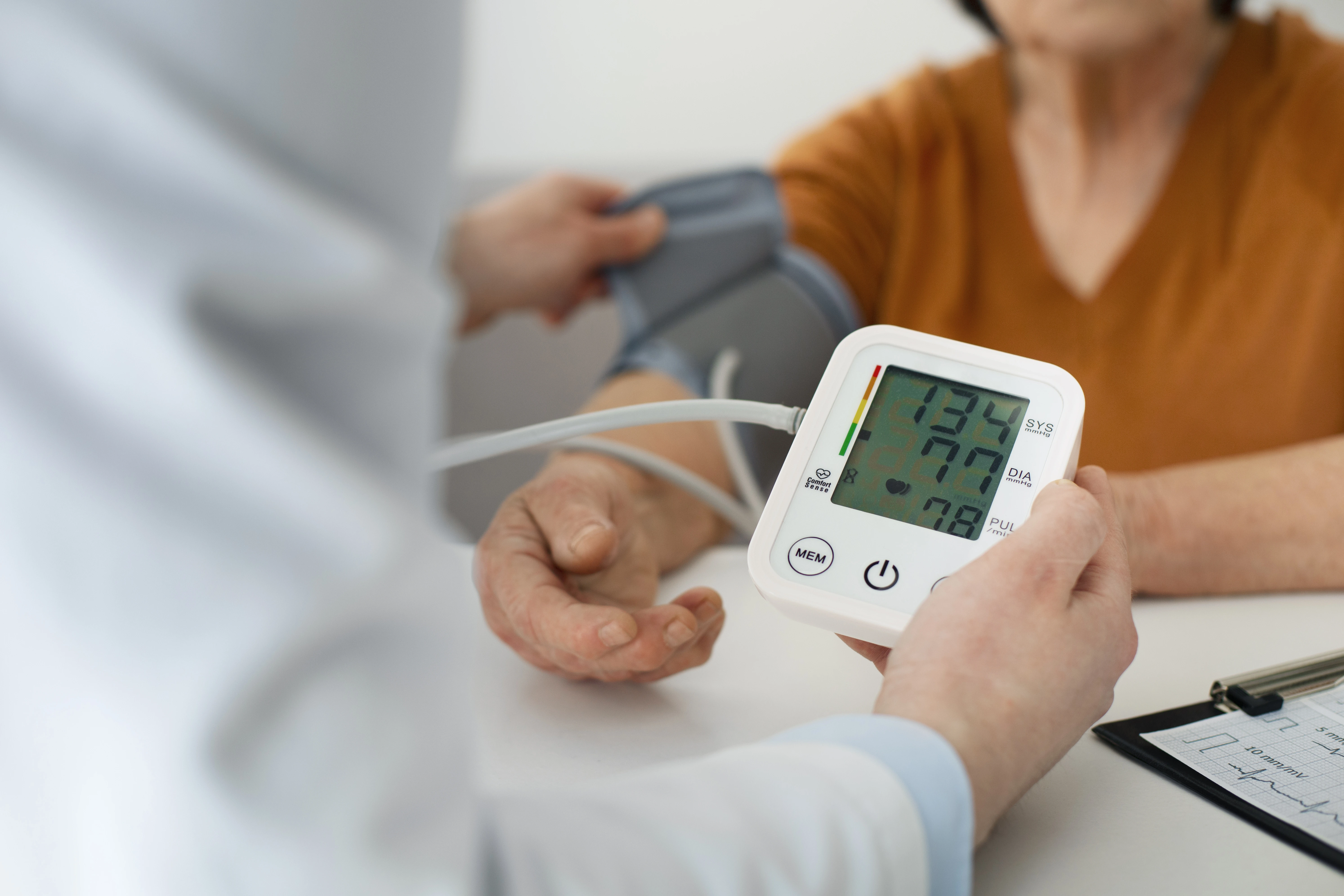
Diagnosing hypertension is straightforward and typically involves measuring blood pressure using a blood pressure monitor.
Because blood pressure naturally fluctuates throughout the day, doctors may take multiple readings across different visits before making a diagnosis. In some cases, home blood pressure monitoring or 24-hour ambulatory monitoring may be recommended.
Regular checkups help identify hypertension early, often before complications occur.
Prevention Strategies for High Blood Pressure
The good news is that many cases of hypertension can be prevented or effectively managed through healthy lifestyle choices.
Maintain a Healthy Diet
A heart-healthy diet should include:
- Fruits and vegetables
- Whole grains
- Lean proteins
- Healthy fats
- Low-fat dairy products
Reducing sodium intake can significantly improve blood pressure control.
Exercise Regularly
Aim for at least 150 minutes of moderate physical activity each week. Activities such as walking, cycling, swimming, and jogging can support cardiovascular health.
Maintain a Healthy Weight
Even modest weight loss can help reduce blood pressure in individuals who are overweight.
Limit Alcohol Intake
Moderating alcohol consumption can contribute to healthier blood pressure levels.
Avoid Smoking
Quitting smoking provides immediate and long-term cardiovascular benefits.
Manage Stress
Stress-management techniques may include:
- Meditation
- Deep breathing exercises
- Yoga
- Physical activity
- Adequate sleep
Managing stress effectively supports overall heart health.
Monitor Blood Pressure Regularly
Regular monitoring helps identify changes early and allows for prompt intervention when necessary.
Treatment Options for High Blood Pressure
If lifestyle changes alone are not sufficient, doctors may recommend medication to help control blood pressure.
Common treatment approaches include:
- Lifestyle modifications
- Blood pressure medications
- Management of underlying health conditions
- Regular follow-up appointments
Treatment plans are individualized based on the patient’s age, medical history, blood pressure levels, and overall health.
When to Seek Medical Attention
Individuals should seek medical advice if they consistently record elevated blood pressure readings or experience symptoms such as severe headaches, chest pain, shortness of breath, dizziness, or vision changes.
Early diagnosis and treatment can significantly reduce the risk of complications and improve long-term health outcomes.
Conclusion
High blood pressure is a common but potentially serious health condition that often develops without noticeable symptoms. Left untreated, it can increase the risk of heart disease, stroke, kidney damage, and other life-threatening complications.
Fortunately, hypertension can often be prevented or managed through healthy lifestyle choices, regular medical checkups, and appropriate treatment when necessary. Understanding the causes, symptoms, and prevention strategies associated with high blood pressure empowers individuals to take control of their cardiovascular health and reduce their risk of future complications.
Regular blood pressure monitoring, healthy habits, and ongoing communication with healthcare professionals remain the foundation of effective hypertension prevention and management.
Disclaimer
The information provided in this article is for educational and informational purposes only and should not be considered a substitute for professional medical advice, diagnosis, or treatment. Blood pressure levels, risk factors, and treatment needs vary from person to person. Always consult a qualified healthcare professional regarding any medical concerns or decisions related to your health. If you are concerned about high blood pressure or cardiovascular health, seek guidance from the experienced doctors and healthcare professionals at New Al Musalla Medical Center or another licensed healthcare provider for personalized evaluation and care.