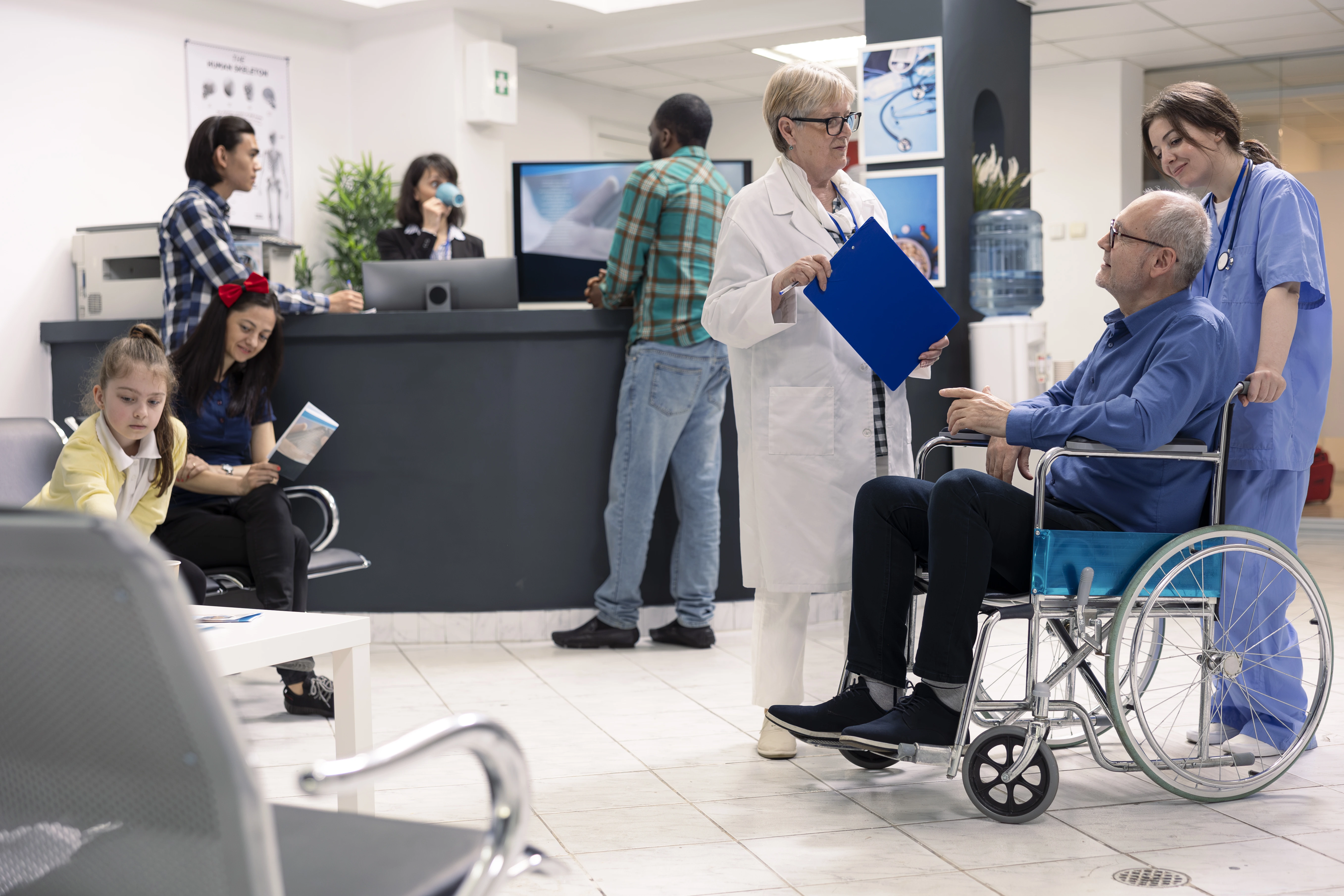
Access to quality healthcare is one of the most important factors influencing overall health and well-being. However, many individuals and families face challenges when it comes to receiving timely medical care, whether due to cost, distance, limited healthcare resources, or a lack of awareness about preventive services. Community healthcare clinics play a crucial role in addressing these challenges by providing accessible, affordable, and comprehensive healthcare services to people from all walks of life.
Community healthcare clinics serve as a vital bridge between healthcare providers and local populations. They focus on delivering patient-centered care, promoting disease prevention, managing chronic conditions, and improving the overall health of communities. As healthcare needs continue to evolve, the importance of these clinics has become more evident than ever.
Improving Access to Healthcare
One of the primary reasons community healthcare clinics are essential is their ability to improve access to medical services. Many individuals may struggle to obtain healthcare due to financial limitations, transportation difficulties, or long waiting times at larger healthcare facilities.
Community clinics are often located within neighborhoods and residential areas, making healthcare services more accessible to local residents. Their convenient locations help ensure that people can receive medical attention without traveling long distances, reducing barriers that often prevent individuals from seeking care when they need it.
By providing accessible healthcare options, community clinics encourage people to address health concerns early rather than waiting until conditions become more severe.
Promoting Preventive Healthcare
Preventive healthcare is one of the most effective ways to maintain long-term health and reduce the risk of serious illnesses. Community healthcare clinics place a strong emphasis on prevention through regular checkups, health screenings, vaccinations, and patient education.
Preventive services help identify potential health issues before they develop into major problems. Early detection of conditions such as high blood pressure, diabetes, heart disease, and certain cancers can significantly improve treatment outcomes and reduce healthcare costs.
Community clinics also educate patients about healthy lifestyle choices, including nutrition, exercise, stress management, and disease prevention strategies. This proactive approach empowers individuals to take greater control of their health.
Managing Chronic Diseases Effectively
Chronic conditions such as diabetes, hypertension, asthma, and cardiovascular disease require ongoing monitoring and management. Without regular medical care, these conditions can lead to serious complications that affect quality of life and increase healthcare expenses.
Community healthcare clinics provide continuous support for patients living with chronic illnesses. Healthcare professionals work closely with patients to develop personalized treatment plans, monitor progress, adjust medications when necessary, and encourage healthy habits.
Regular follow-up appointments and ongoing education help patients better manage their conditions and reduce the risk of complications, hospitalizations, and emergency medical situations.
Reducing Pressure on Hospitals and Emergency Departments
Hospitals and emergency rooms are designed to handle serious medical emergencies and complex health conditions. However, many patients seek emergency care for non-emergency issues due to limited access to primary healthcare services.
Community healthcare clinics help reduce the burden on hospitals by providing treatment for common illnesses, minor injuries, routine health concerns, and preventive care. This allows emergency departments to focus on patients with urgent medical needs while ensuring that community members receive appropriate care in a more efficient setting.
By serving as a first point of contact for healthcare needs, clinics contribute to a more effective and sustainable healthcare system.
Supporting Families and Children
Community healthcare clinics play a vital role in supporting the health of families and children. From routine pediatric care and vaccinations to maternal health services and developmental screenings, these clinics provide essential healthcare throughout different stages of life.
Parents can access guidance on child nutrition, growth, immunizations, and preventive care, helping children develop healthy habits from an early age. Early intervention services can also identify developmental concerns and ensure that children receive appropriate support when needed.
Healthy children are more likely to succeed academically, socially, and physically, contributing to stronger communities in the long term.
Enhancing Health Education and Awareness
Many health conditions can be prevented or managed more effectively when people have access to accurate health information. Community healthcare clinics serve as valuable sources of education and awareness within local communities.
Healthcare providers often organize wellness programs, educational campaigns, and health screenings that help individuals better understand common medical conditions and preventive practices. Topics may include heart health, diabetes prevention, mental wellness, smoking cessation, nutrition, and physical activity.
By increasing health literacy, community clinics empower individuals to make informed decisions about their health and well-being.
Supporting Mental Health Services
Mental health is an essential component of overall wellness, yet many individuals face barriers when seeking mental health support. Community healthcare clinics often provide access to mental health screenings, counseling services, referrals, and supportive resources.
Early identification and treatment of mental health conditions such as anxiety, depression, stress-related disorders, and emotional challenges can significantly improve quality of life. Integrated healthcare models that address both physical and mental health contribute to more comprehensive patient care.
Community clinics help reduce stigma around mental health and encourage individuals to seek assistance when needed.
Building Stronger and Healthier Communities
Healthy individuals contribute to healthier communities. Community healthcare clinics support public health initiatives, disease prevention efforts, and health promotion activities that benefit entire populations.
When residents have access to healthcare services, communities experience lower rates of preventable illnesses, improved disease management, and better overall health outcomes. Healthier populations often lead to increased productivity, reduced healthcare costs, and improved quality of life.
Community clinics also foster trust between healthcare providers and local residents, creating stronger relationships that support long-term health improvements.
Providing Affordable Healthcare Options
Healthcare costs can be a significant concern for many families. Community healthcare clinics often provide cost-effective healthcare services, making medical care more accessible for individuals who may otherwise delay treatment due to financial concerns.
Affordable access to routine medical care encourages patients to seek treatment earlier, reducing the likelihood of serious complications that may require more expensive interventions later. By focusing on prevention and early management, community clinics help lower overall healthcare expenses for both individuals and healthcare systems.
Encouraging Continuity of Care
Continuity of care is essential for maintaining long-term health. Patients who regularly visit the same healthcare providers benefit from consistent monitoring, personalized treatment plans, and a better understanding of their medical history.
Community healthcare clinics establish ongoing relationships with patients, allowing providers to deliver coordinated and comprehensive care over time. This continuity improves communication, strengthens trust, and leads to better health outcomes.
Patients are more likely to follow treatment recommendations and maintain healthy habits when they have a trusted healthcare team supporting them.
Conclusion
Community healthcare clinics are a cornerstone of effective healthcare systems. By providing accessible, affordable, and comprehensive medical services, they help individuals receive the care they need while promoting healthier communities. Their focus on preventive care, chronic disease management, health education, mental wellness, and continuity of care makes them invaluable resources for people of all ages.
As healthcare needs continue to grow, community healthcare clinics remain essential in ensuring that quality medical care is available to everyone. Investing in these clinics strengthens public health, improves patient outcomes, and creates healthier, more resilient communities for future generations.
Disclaimer
The information provided in this article is for educational and informational purposes only and should not be considered a substitute for professional medical advice, diagnosis, or treatment. Health conditions, symptoms, and treatment options can vary from person to person. Always seek the guidance of qualified healthcare professionals regarding any medical concerns, symptoms, or decisions related to your health. If you have questions about your health or require medical attention, consult the experienced doctors and healthcare professionals at New Al Musalla Medical Center or another qualified healthcare provider for personalized care.